Introduction to Mold in Homes
You may not see it, but mold could be silently growing in your home right now. It’s sneaky, spreads fast, and can pose serious health risks, especially if you let it sit. Ignoring mold doesn’t just damage your property; it can put your entire family’s health at risk.
In this guide, we’ll explain the hidden dangers of mold, the health problems it can cause, and why timely remediation from professionals like Glendale Water Damage Pros is critical.
What Is Mold and Where Does It Come From?
Mold is a type of fungus that thrives in moist, warm environments. It spreads through microscopic spores that float through the air and settle wherever they find the right conditions.
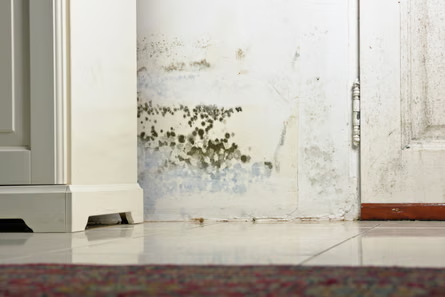
You’ll often find it growing on damp drywall, wet carpets, or leaky ceilings. While it may start small, mold spreads fast if left untreated.
Why Mold Loves Moisture
Mold needs moisture to survive. Areas in your home with poor drainage, leaks, or high humidity are perfect for mold to grow. Bathrooms, basements, and kitchens are especially vulnerable. If you’ve recently had flooding or a leak, it’s essential to dry the area immediately or contact a water damage restoration professional in Glendale to prevent mold.
Common Places Mold Hides Indoors
If you think mold only grows in basements, think again. It can hide in:
- Behind walls and wallpaper
- Under sinks and cabinets
- Inside air ducts and vents
- Around windows and doors
- Beneath carpets and floorboards
These hidden areas make mold harder to spot until it’s already caused damage or health symptoms appear.
How Mold Spreads in Your Home
The Invisible Invasion: Mold Spores
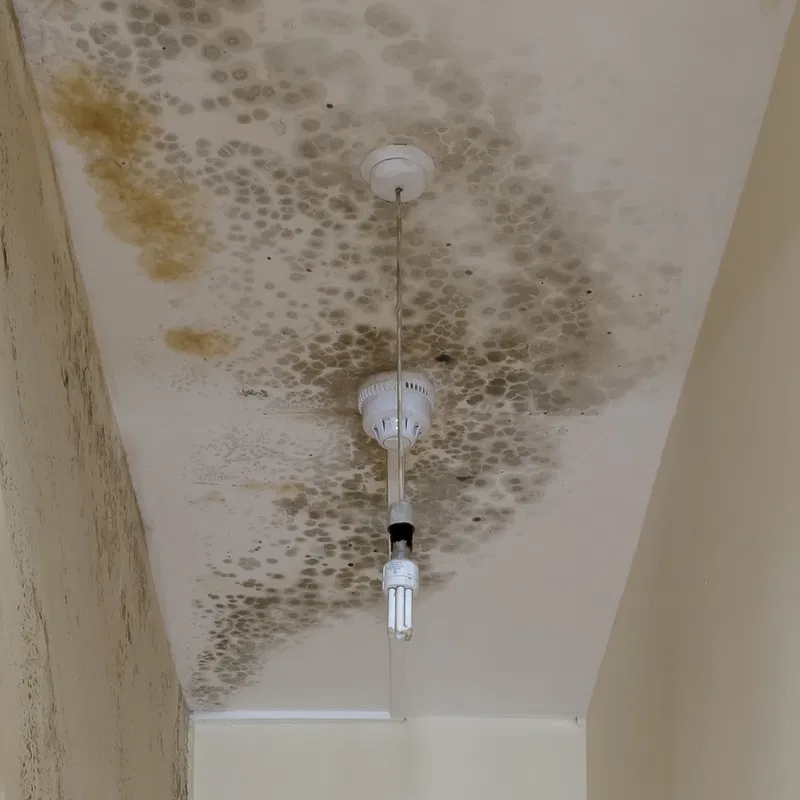
Mold spores are invisible to the naked eye. They travel through the air and latch onto damp surfaces, quickly forming colonies. Once mold starts growing, it releases even more spores into the air, which can spread throughout your home.
Leaky Pipes, Roofs, and Flood Damage
Water damage is the number one cause of mold growth. Even a small roof leak or burst pipe can create enough moisture for mold to thrive. That’s why quick and professional water cleanup is essential. You can read our guide on The Best Technology for Modern Water Leak Detection to learn how to identify leaks early.
Poor Ventilation and Damp Areas
Bathrooms without exhaust fans, kitchens with poor airflow, and basements without dehumidifiers can all encourage mold growth. Increasing air circulation and using proper ventilation can help prevent spores from settling.
Hidden Dangers of Mold Exposure
Mold and Your Respiratory Health
Breathing in mold spores can irritate your lungs and cause coughing, sneezing, and shortness of breath.
People with asthma or chronic bronchitis may experience worsened symptoms. If you notice breathing difficulties at home, mold may be the culprit.
Mold-Induced Allergies
Mold can trigger allergic reactions such as itchy eyes, runny noses, or skin rashes. Many homeowners mistake these symptoms for seasonal allergies when the real problem is inside their home.
If your symptoms disappear when you leave the house, it’s time for a mold inspection.
Mold’s Link to Asthma and Bronchitis
For asthma patients, mold exposure can be dangerous. It can cause more frequent asthma attacks and increase hospital visits.
Long-term exposure may even lead to chronic respiratory inflammation.
Mold Toxins (Mycotoxins) and Long-Term Effects
Certain types of mold produce mycotoxins, poisonous substances that can cause neurological symptoms, fatigue, and memory issues over time.
Extended exposure can also lead to immune suppression and other serious health risks.
Mold Is Especially Dangerous for Vulnerable Groups
Kids and Infants
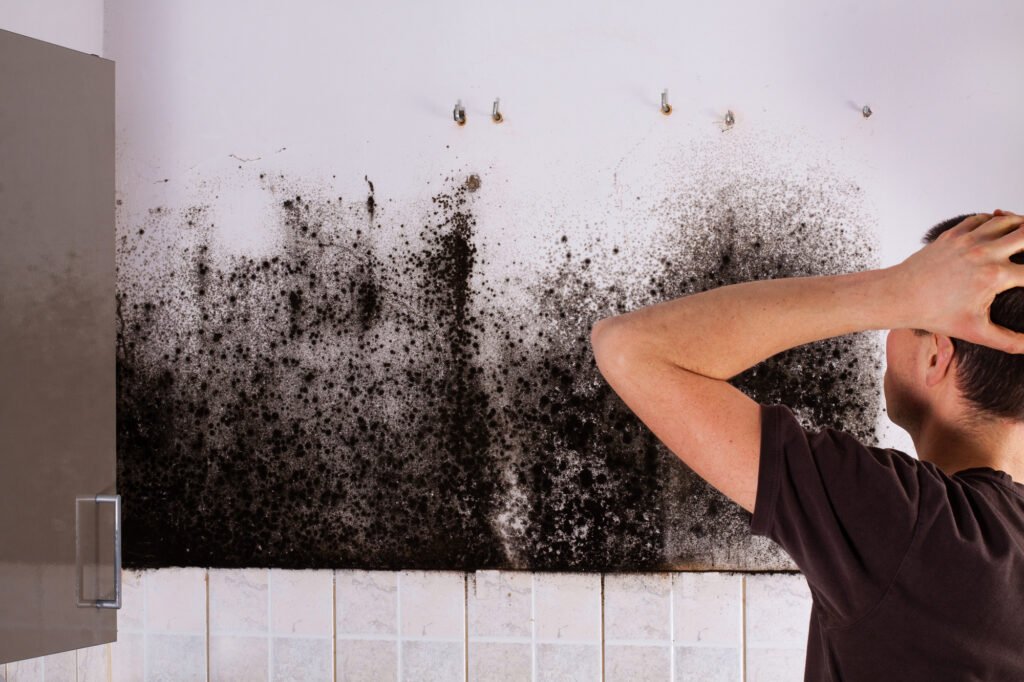
Children’s immune systems and lungs are still developing, making them more sensitive to mold exposure. Long-term exposure can increase their risk of allergies and asthma.
Seniors and the Immunocompromised
Older adults and people with compromised immune systems are more prone to severe reactions.
They can develop infections or chronic illnesses from mold exposure that might not affect healthy individuals.
Pregnant Women
Mold exposure during pregnancy has been linked to respiratory issues in newborns and potential complications. It’s always best to get your home inspected if you suspect mold during pregnancy.
Signs You Might Have a Mold Problem
Musty Smells and Discoloration
A musty, earthy smell in bathrooms, basements, or around windows is often a giveaway. Visible dark or greenish patches on walls or ceilings are clear signs of mold.
Increased Allergies or Cold-Like Symptoms Indoors
If you frequently experience sneezing, watery eyes, or congestion indoors, your air quality might be compromised by mold.
Recent Water Damage or Leaks
Even minor water leaks can lead to hidden mold behind walls or floors. Our article on DIY vs Professional Leak Detection explains why quick detection is key.
Why You Should Never Ignore Mold Issues
Health Risks Multiply Over Time
The longer you wait to address mold, the worse it gets. Mold spreads quickly and releases more spores into the air, increasing your exposure and health risks.
Structural Damage to Your Property
Mold damages more than air quality. It can weaken drywall, wood, and insulation, eventually leading to expensive structural repairs. Learn more about damage repair in our Flood Restoration Guide.
The Cost of Waiting Too Long
Ignoring mold may seem cheaper in the short term, but full remediation and reconstruction are far more expensive later. Mold can also lower your property’s value and scare off potential buyers.
Mold Prevention Tips for Homeowners
Keep Humidity Levels in Check
Use a dehumidifier in humid rooms and ensure your HVAC system is functioning properly. Keeping humidity below 50% helps prevent mold.
Repair Leaks Immediately
Fix any leaks right away, whether from roofs, windows, or plumbing. Regular inspections help prevent long-term moisture buildup.
Improve Air Circulation and Ventilation
Open windows, use ceiling fans, and ensure your ventilation systems are clean. Proper airflow prevents condensation that feeds mold.
Use Mold-Resistant Materials
If you’re remodeling, choose mold-resistant paint, drywall, and insulation. These materials can prevent future growth in damp areas like bathrooms and basements.
What to Do If You Suspect Mold in Your Home
DIY Inspection vs Professional Mold Testing
Surface mold can be cleaned, but hidden mold requires professional detection. Experts use air quality tests and thermal imaging to locate mold you can’t see.
When to Call a Mold Remediation Expert
How Glendale Water Damage Pros Can Help
At Glendale Water Damage Pros, we specialize in water damage repair and mold remediation. Our team uses advanced technology to detect, contain, and remove mold completely. We also repair the source of moisture to ensure it doesn’t return. Check our Mold Remediation Guide for full details on our process.
Conclusion
Ignoring mold problems can lead to serious health consequences and permanent home damage. Taking early action protects both your home and your health. Don’t let mold take over—get it inspected by professionals today.
If you notice signs of mold or recent water damage, reach out to Glendale Water Damage Pros for a complete inspection and remediation service. We’ll restore your property safely and help you maintain a mold-free home.
FAQs
Q1: How fast can mold grow after water damage?
Mold can start growing within 24 to 48 hours after water exposure, especially in warm, humid conditions.
Q2: Can I remove mold myself without professional help?
Small mold patches can be cleaned, but larger or hidden mold requires professional remediation to ensure it doesn’t come back.
Q3: Are all types of mold harmful to health?
Not all molds are toxic, but many can still cause allergic reactions, asthma attacks, and respiratory problems.
Q4: What’s the cost of professional mold removal in Glendale, AZ?
Costs vary based on the extent of damage, but most professional mold remediation services range between $500 and $6,000.
Q5: How do I contact Glendale Water Damage Pros for an inspection?
Visit waterdamagerestorationglendaleaz.com or call us directly for a free consultation and inspection.

Tony Field is a licensed Damage Restoration Expert with over 20 years of experience specializing in property recovery and environmental safety. As a seasoned industry authority, Tony has spent two decades mastering the technical science of structural mitigation and hazard response. His extensive field knowledge and commitment to technical excellence ensure that every project is handled with the highest level of professional care, making him a trusted resource for homeowners and businesses navigating the aftermath of a disaster.
𝗖𝗲𝗿𝘁𝗶𝗳𝗶𝗰𝗮𝘁𝗶𝗼𝗻𝘀: Tony is highly credentialed with IICRC certifications in Water Damage Restoration (WRT), Mold Remediation (AMRT), Applied Structural Drying (ASD), Odor Control, and Fire and Smoke Restoration.
𝗙𝗮𝘃𝗼𝗿𝗶𝘁𝗲 𝗣𝗮𝘀𝘁𝗶𝗺𝗲: When off the clock, Tony enjoys fly fishing, restoring classic muscle cars, and attending local high school football games.
𝗕𝗲𝘀𝘁 𝗣𝗮𝗿𝘁 𝗼𝗳 𝘁𝗵𝗲 𝗝𝗼𝗯: Tony finds the most fulfillment in being the person who brings hope back to a crisis. He takes pride in the meticulous process of restoring a property until the owner feels safe and secure in their space once again.