Glendale, AZ · Maricopa County
Heating Unit Mold Cleanup in Glendale, AZDuctwork Mold Sealing & Furnace Mold Cleanup
Heating Unit Mold Cleanup in Glendale involves HVAC mold inspection, air duct mold remediation, and furnace mold cleanup.
Answered 24/7
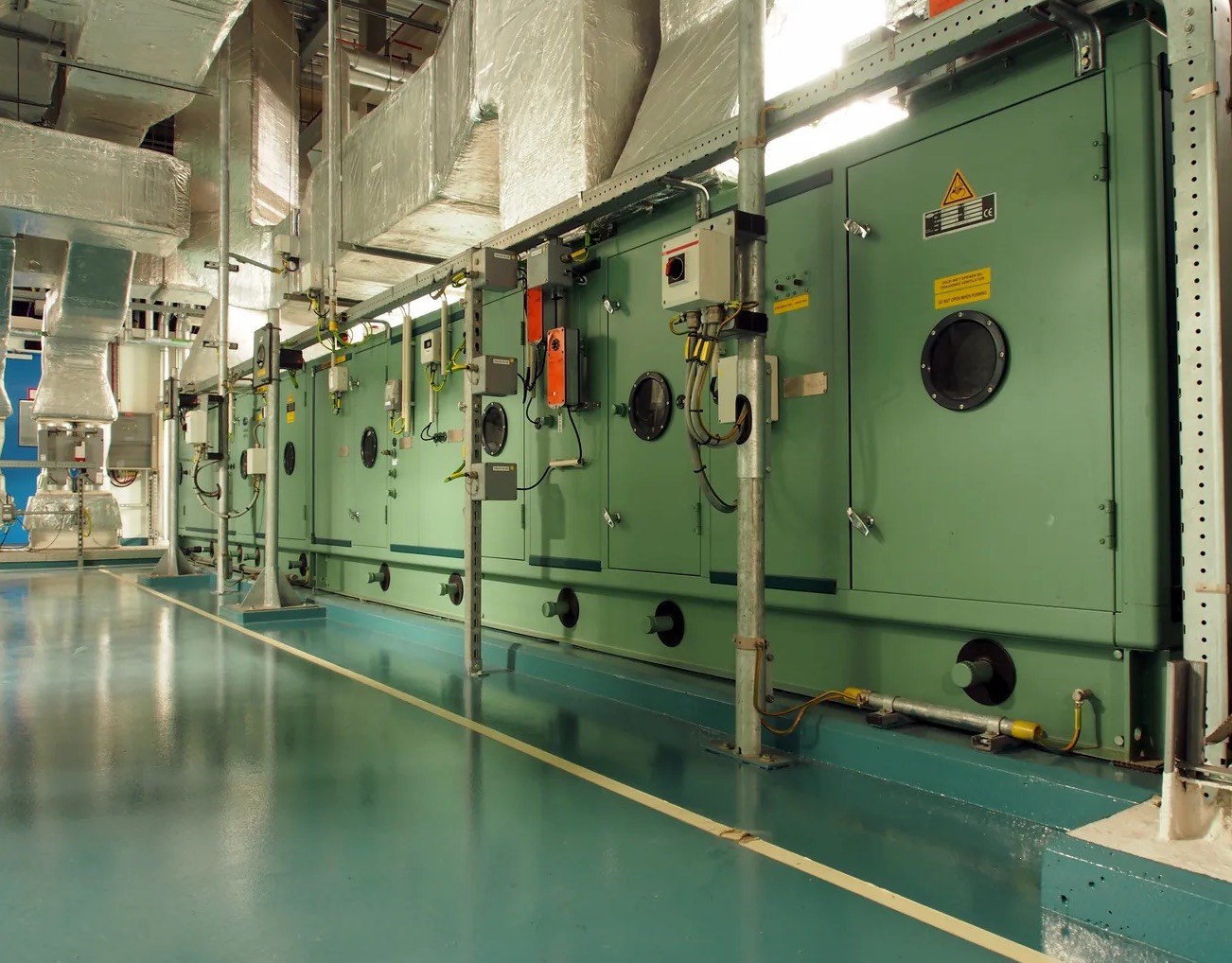
Get Heating Unit Mold Cleanup Help in Glendale, Arizona
In Glendale, heating unit mold usually starts in damp parts like evaporator coils or the air handler. Left alone, it spreads through the system and can irritate breathing.
Heating unit mold cleanup is available in Glendale and nearby areas like Maryvale, Peoria and Sun City. Mold in HVAC systems spreads quickly through the ducts and into indoor air. Local HVAC restoration experts tailor the work to each home.
Available Heating Unit Mold Cleanup Procedures in Glendale
Ductwork Mold Sealing
After mold remediation, the experts often repair damaged duct sections and replace compromised insulation. This ductwork sealing and repair is a preventative step following heating unit mold cleanup.
Furnace Mold Cleanup
Cleaning mold from a furnace addresses cabinet moisture issues. The experts use disinfectants and IICRC-standard methods. It is a key step in the cleanup.
Vent Register Mold Cleaning
Vent register cleaning removes mold from terminal points. The experts take down grilles and vacuum ducts. This complements broader heating unit mold cleanup.
Air Duct Mold Remediation
Air duct mold remediation cleans contaminated HVAC ductwork. The experts use HEPA vacuums on sheet metal and flex duct. This keeps spores from recirculating during cleanup.
Post-Remediation Air Testing
Post-remediation air testing compares indoor samples to an outdoor control. The experts follow established protocols to validate the success of heating unit mold cleanup in Glendale.
When to Consider Heating Unit Mold Cleanup for Your Home
Mold in Furnace Cabinet
Opening the furnace panel and finding mold means spores are likely distributed throughout the entire forced air system.
Black Specks in Airflow
Seeing small black particles blowing from vents is a direct indicator of mold spore release from ductwork.
Clogged Air Filters Quickly
Air filters that become dirty unusually fast can be trapping mold spores from contaminated ductwork or air handler.
Reduced Heating Efficiency
Higher energy bills and weak airflow can mean mold is obstructing ductwork or coating the furnace heat exchanger.
How Heating Unit Mold Cleanup Works in Glendale
Step 1: HVAC Mold Inspection and Assessment
The experts begin with a thorough visual and camera inspection of the entire heating system, air ducts, and furnace to map mold contamination.
Step 2: Air Duct Mold Remediation and Cleaning
Using specialized agitation tools and HEPA vacuuming, they remove mold and debris from all ductwork, focusing on heating vents and registers.
Step 3: Furnace and Coil Mold Removal
The furnace cabinet, heat exchanger and evaporator coil are cleaned and sanitized to remove mold at the source.
Step 4: Post-Remediation Air Testing and Verification
Air testing after cleaning confirms that spore counts in the home have dropped to normal levels.
Common Causes of HVAC Mold in Glendale
Undersized or Faulty Dehumidifiers
An HVAC system that fails to properly dehumidify the air allows moisture to accumulate inside ductwork and vents.
Air Duct Leaks and Gaps
Leaky ductwork pulls in humid air from attics or crawl spaces, depositing moisture that fosters mold inside the ducts.
Poor Ventilation in Home
Inadequate air exchange lets humidity build up, which the heating system then circulates, spreading mold spores throughout the house.
Post-Flood HVAC Operation
Running the furnace or AC after a flood without cleaning first forces moisture and mold spores through the entire system.
Heating Unit Mold Cleanup for Residences and Commercial Properties in Glendale
Residential Heating Unit Mold Cleanup
For houses, the work includes furnace mold cleaning and vent cleaning to remove both visible and hidden contamination. Clean airflow without musty odors returns to every room.
Commercial Heating Unit Mold Cleanup
Commercial HVAC systems need mold removed from every unit and duct run. The experts clean mold from all heating, cooling and air distribution parts of the building.
Heating Unit Mold Cleanup vs. DIY: When to Call HVAC Restoration Experts
After minor water damage near the HVAC, drying the area thoroughly with fans is a safe initial response. Never run the heating system if you suspect internal water exposure. For confirmed or suspected mold in air ducts, professional air duct mold remediation by the experts is the correct course of action.
Primary Factors Affecting Heating Unit Mold Cleanup Cost in Glendale
Your investment in heating unit mold cleanup depends on the complexity of the job, such as if ductwork sealing and repair is also required after mold removal.
Accessibility Challenges
Hard-to-reach duct runs or tightly packed mechanical rooms can increase the time needed for furnace mold cleanup.
Containment Needs
Setting up proper containment to isolate the HVAC system during mold spore removal adds to material and setup expenses.
HVAC System Size
Larger systems with more ductwork and components, like air handlers, require more materials and labor for a thorough cleaning.
Does Insurance Cover Heating Unit Mold Cleanup?
Insurance providers determine coverage for forced air system mold cleanup based on the identified source of the moisture. Remediation stemming from neglect or long-term humidity is typically excluded. Detailed documentation of contamination is usually provided for a submitted claim.
Reasons for Professional Heating Unit Mold Cleanup in Glendale
Containment Protocols
Setting up containment during ductwork mold cleaning helps prevent the spread of spores to other areas of your home.
IICRC-Standard Remediation Methods
Protocols for HVAC mold removal follow industry standards for containment, cleaning, and verification to address the contamination properly.
24/7 Emergency Response
Help is available 24/7 for heating system mold that is spreading odors or spores through the home.
Accessing Emergency Heating Unit Mold Cleanup in Glendale
Contaminated ductwork can spread mold spores throughout your home rapidly. For 24/7 heating system mold removal in Glendale, call the experts at (623) 288-0776.
Call Now (623) 288-0776Nearby Communities with Access to Heating Unit Mold Cleanup
For homeowners in Glendale and the broader area like Maryvale, Peoria and Sun City, professional heating unit mold cleanup addresses a hidden source of air contamination.
Frequently Asked Questions About Heating Unit Mold Cleanup
What happens during vent and register cleaning?
Registers are removed, cleaned, and sanitized, and the accessible first few feet of vent openings are scrubbed to remove visible mold deposits.
What are the signs I need HVAC mold remediation?
Musty odors from vents, visible mold on registers or inside the air handler, and increased allergy symptoms when the system runs can indicate a problem.
Are chemicals used in air duct disinfection safe?
The experts use EPA-registered biocides approved for use in HVAC systems, applied according to label directions to kill mold while prioritizing safety.
How long does air handler sanitization take?
The time varies with system size and contamination level, but a thorough cleaning of the unit and connected ducts often takes several hours to a full day.
What is post-remediation air testing?
It's an optional verification step where air samples are taken after cleanup to scientifically confirm that airborne spore levels have been successfully reduced.