Glendale, AZ · Maricopa County
Smoke Damage Assessment in Glendale, AZSmoke Odor Source Detection & Structural Smoke Inspection
Smoke Damage Assessment in Glendale covers smoke odor source detection, HVAC system smoke contamination check and emergency smoke damage tarping.
Answered 24/7
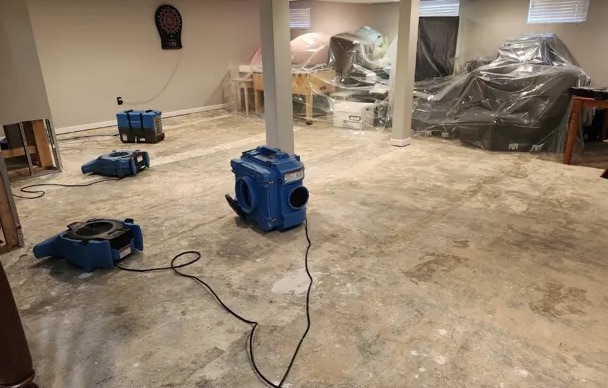
Detailed Smoke Damage Assessment in Glendale, Arizona
In Glendale, smoke that spreads through a home needs a systematic assessment to chart the damage. Different materials burn into different soot residues, and each needs its own cleaning method.
Homes in Glendale and nearby areas like Maryvale, Peoria and Sun City often need a detailed assessment after smoke damage. Local fire restoration pros evaluate soot on contents, the structure and air quality, including odor sources and HVAC systems, to plan a full recovery.
Smoke Damage Assessment and Inspection Services in Glendale
Smoke Odor Source Detection
Pros locate the places where smoke odor is stored, such as insulation, HVAC ducts and porous materials, so treatment targets the source.
Structural Smoke Inspection
The inspection maps smoke in wall cavities, framing and ductwork, where hidden contamination causes lasting odors.
Soot Damage Assessment for Contents
Pros test cleaning methods on hidden spots first so sensitive items are not damaged, then plan cleaning for everything affected in Glendale.
Smoke Residue Analysis
Analysis shows the chemical makeup of soot so the pros can choose cleaners that will not cause further damage, and the results support your claim.
Post-Fire Surface Damage Evaluation
Pros check how smoke and heat affected paint, finishes and surfaces, since soot can etch glass, stain paint and corrode metal.
When to Schedule a Smoke Damage Assessment for Your Home
Smoke Odor Returns After Cleaning
A smoke smell that returns soon after cleaning means the source is deeper in the house.
Condensation of Soot on Cool Surfaces
Soot on mirrors, windows or tile shows smoke particles condensed on cooler surfaces.
Tacky or Sticky Surfaces in Kitchen
Sticky countertops, cabinets and appliances are often coated with oily smoke residue.
Discolored Fabrics and Window Treatments
Stained curtains, upholstery or carpet with a lasting odor have absorbed smoke.
How Smoke Damage Assessment Works in Glendale
Step 1: Smoke Odor Source Detection
Pros start by finding where odor is trapped, using thermal imaging and other tools to locate hidden areas.
Step 2: Smoke Residue Testing
Residue samples show whether soot is dry, wet or oily, which decides the cleaning methods.
Step 3: Post-Fire Surface Damage Evaluation
All surfaces are checked for staining, etching or corrosion caused by acidic smoke particles.
Step 4: HVAC System Smoke Contamination Check
Pros inspect ducts, coils and filters so the system does not spread soot after cleaning.
How Fires Cause Widespread Smoke Damage Assessment
Natural Material Smoke From Wood
Burning wood or paper leaves dry, powdery soot that still discolors and odorizes surfaces.
Synthetic Material Combustion
Burning plastics, vinyl or foam releases acidic soot that can etch and stain surfaces.
Electrical Fire Smoke Contamination
Electrical fires create acrid smoke that corrodes metal and leaves a strong odor.
Kitchen Grease Fire Residue
Grease fires produce thick, oily smoke that leaves sticky residue on kitchen surfaces.
Property Smoke Damage Assessment in Glendale: Residential & Commercial
Residential Smoke Damage Assessment
At home, pros check personal items and heirlooms for soot and odor and test HVAC systems and spaces behind baseboards.
Commercial Smoke Damage Assessment
Restaurant kitchens face grease-fire smoke, so pros check hoods, appliances and food surfaces to plan cleanup that meets health codes.
Professional Smoke Damage Assessment or DIY Cleanup in Glendale
Bowls of baking soda or activated charcoal can reduce odor a little. Avoid ozone generators or strong chemical sprays without professional guidance, and call the pros for a full evaluation.
Factors Influencing Smoke Damage Assessment Cost in Glendale, AZ
Air quality testing and tracing hidden odor sources add investigative work to the assessment, which raises the cost in Glendale.
Content Assessment Scope
Many belongings to assess means more itemized documentation and time on site.
Property Size
Larger homes in Glendale have more space to test and inspect, which takes more time.
Smoke Penetration Depth
Soot deep in walls or ducts needs more testing to find odor sources.
Does Insurance Cover Smoke Damage Assessment?
Coverage depends on your specific policy. The pros test residue and provide the documentation an insurer needs, and you confirm which cleaning services are covered.
Advantages of Hiring Fire Restoration Pros in Glendale for Smoke Damage Assessment
Content Damage Analysis
Belongings are inspected to decide what can be cleaned and what needs other care.
Detailed Reporting
You receive a clear, itemized report that guides the cleanup that follows.
HVAC System Evaluation
Smoke moves through ducts, so the HVAC system is checked as part of every assessment.
24/7 Emergency Smoke Damage Assessment for Glendale
Air quality after a fire can be a health concern. For urgent air testing and assessment, call (623) 288-0776; the pros in Glendale respond around the clock.
Call Now (623) 288-0776Smoke Damage Assessment Coverage Area Including Glendale
In Glendale, plus places such as Maryvale, Peoria and Sun City, the pros inspect walls and ducts to map smoke contamination.
Smoke Damage Assessment FAQs
How does assessment help with fire damage restoration?
It sets a precise scope of work that guides all later residue cleaning and odor removal.
Does assessment include post-fire surface damage evaluation?
Yes. Walls, counters and floors are checked for etching, discoloration and residue that need cleaning or repair.
What if smoke damage is only in one room?
Smoke travels on air currents, so a full assessment often finds contamination in other rooms and the HVAC system.
What does a smoke damage assessment involve?
A visual inspection, residue testing, structural inspection and often air testing to document all soot and odor damage.
Can smoke damage affect my HVAC system?
Yes. Smoke circulates through ducts, so checking the HVAC system is a standard part of a thorough assessment.