Glendale, AZ · Maricopa County
Structural Drying & Dehumidification in Glendale, AZConcrete Slab Drying & Wet Wall Cavity Drying
Structural Drying & Dehumidification in Glendale covers crawl space dehumidification, building material drying and emergency flood drying.
Answered 24/7
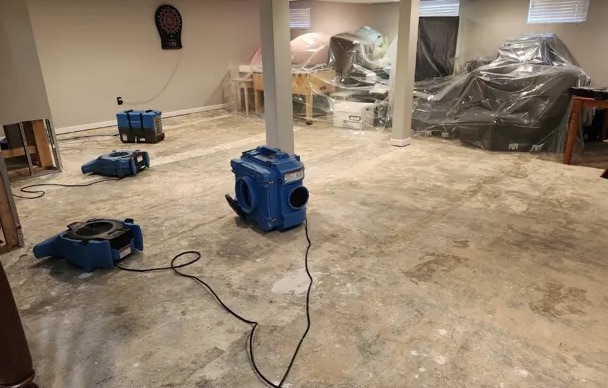
Professional Structural Drying & Dehumidification in Glendale, AZ
Timely drying in Glendale prevents staining, swelling and lasting damage. Crawl spaces and concrete slabs hold water longer than other areas, so they need professional equipment.
Water-damaged properties in Glendale and nearby areas like Maryvale, Peoria and Sun City often have hidden moisture in wall cavities, subfloors or slabs. Local water damage pros dry these areas and can explain each step before work begins.
The Structural Drying & Dehumidification Process in Glendale
Concrete Slab Drying
The pros in Glendale test the slab after drying to confirm it is ready for the floor covering.
Wet Wall Cavity Drying
Fast drying keeps framing from rotting and saves drywall that would otherwise be torn out.
Crawl Space Dehumidification
Excess crawl space moisture causes wood decay and draws pests, so pros set up systems to keep it dry.
Building Material Drying
The pros monitor wet studs and sheathing until they are dry, protecting the home's framework.
Hardwood Floor Drying
Saving wet hardwood takes careful moisture control so the boards dry evenly without warping.
Indicators for Structural Drying & Dehumidification in Glendale
Water Pooling in Crawl Space
Standing water in the crawl space damages floor framing and the foundation over time.
Peeling Paint or Wallpaper
Peeling paint or wallpaper is a common sign that moisture got behind the surface.
Musty Odors Lingering
A damp smell that lingers points to hidden moisture in wall cavities or under floors.
Warped or Buckling Floors
Hardwood or laminate that warps or buckles has water trapped underneath it.
How Structural Drying & Dehumidification Works in Glendale
Step 1: Initial Water Extraction
Standing water is extracted from floors and surfaces so it stops soaking into materials.
Step 2: Dehumidification and Air Movement
Pros balance dehumidifiers and air movers to drive moisture out of cavities and materials.
Step 3: Detailed Cavity Drying
Hidden areas like ceiling cavities and subfloors get targeted drying tools and airflow.
Step 4: Completion and Documentation
Final dryness levels are recorded and provided for your records and insurance claim.
Typical Causes for Emergency Drying in Glendale
Sewage Backup or Overflow
A sewer backup brings contaminated water that must be removed before drying begins.
Firefighting Water Damage
Water used to put out a fire soaks deeply into framing, drywall and insulation.
Plumbing Leaks or Bursts
A broken pipe or leaking fixture can soak walls and floors in a short time.
HVAC Condensate Drain Failure
A clogged AC drain line can spill gallons of water onto subfloors and ceilings.
Glendale Structural Drying & Dehumidification for All Property Types
Residential Structural Drying & Dehumidification
Homeowners get careful drying of wood floors, drywall and insulation with methods suited to how houses are built.
Commercial Structural Drying & Dehumidification
Businesses with large volumes of water need slab drying and industrial dehumidifiers so they can reopen quickly and safely.
The Limits of DIY Structural Drying & Dehumidification in Glendale
For minor spills, wipe up surface water with towels and mops. If water has soaked into drywall, flooring or subfloors, call the pros to dry the hidden moisture.
Pricing for Structural Drying & Dehumidification in Glendale, Arizona
A large emergency drying job costs more than drying one ceiling cavity, and equipment days are part of the bill.
Access and Confinement
Tight crawl spaces and closed ceiling cavities are harder to reach and may need special setups.
Type of Materials Involved
Porous drywall and insulation hold more water and sometimes must be removed as well as dried.
Water Category and Source
Clean water from a supply line is simpler to handle than contaminated floodwater.
Does Insurance Cover Structural Drying & Dehumidification?
Coverage for flood drying often depends on the peril in your policy, such as a burst pipe or appliance failure. Review your policy with your agent; pros provide readings and photos.
Why Choose Local Water Damage Pros for Structural Drying & Dehumidification in Glendale
Moisture Remediation Focus
The goal is full drying of hidden materials, not just removing the visible water.
Structured Drying Assessments
Pros check and adjust the equipment regularly so humidity and moisture keep dropping.
Targeted Crawl Space Dehumidification
Crawl spaces with standing water or high humidity get equipment suited to tight areas.
Emergency Structural Drying & Dehumidification for Glendale Properties
An emergency needs professional attention. For immediate drying of walls and floors in Glendale, call (623) 288-0776; pros are available 24/7.
Call Now (623) 288-0776Structural Drying & Dehumidification Near Glendale: Areas Served
After water damage in Glendale and nearby areas like Maryvale, Peoria and Sun City, the pros dry the structure.
Structural Drying & Dehumidification Information FAQs
How does emergency drying differ from standard drying?
The methods are the same, but emergency drying starts, even after hours, to limit loss.
What is crawl space dehumidification and when is it needed?
Equipment that lowers humidity and dries standing water under the house, needed after flooding or ongoing dampness.
Does fast drying prevent lasting damage?
Yes. Removing water quickly stops swelling, rot and odors and is the most important step after a leak.
How long does emergency flood drying typically take?
It depends on water volume, materials and humidity, but most home jobs take several days of continuous drying.
What is the goal of building material drying?
Bringing wet materials back to normal moisture levels so they keep their strength and do not need replacing.