Goodyear, AZ · Maricopa County
Thermal Imaging Leak Detection in Goodyear, AZSlab Leak Thermal Detection & Wall Ceiling Moisture Scans
In Goodyear, Thermal Imaging Leak Detection covers hidden water leak detection, roof leak moisture mapping, and plumbing leak infrared inspection.
Answered 24/7
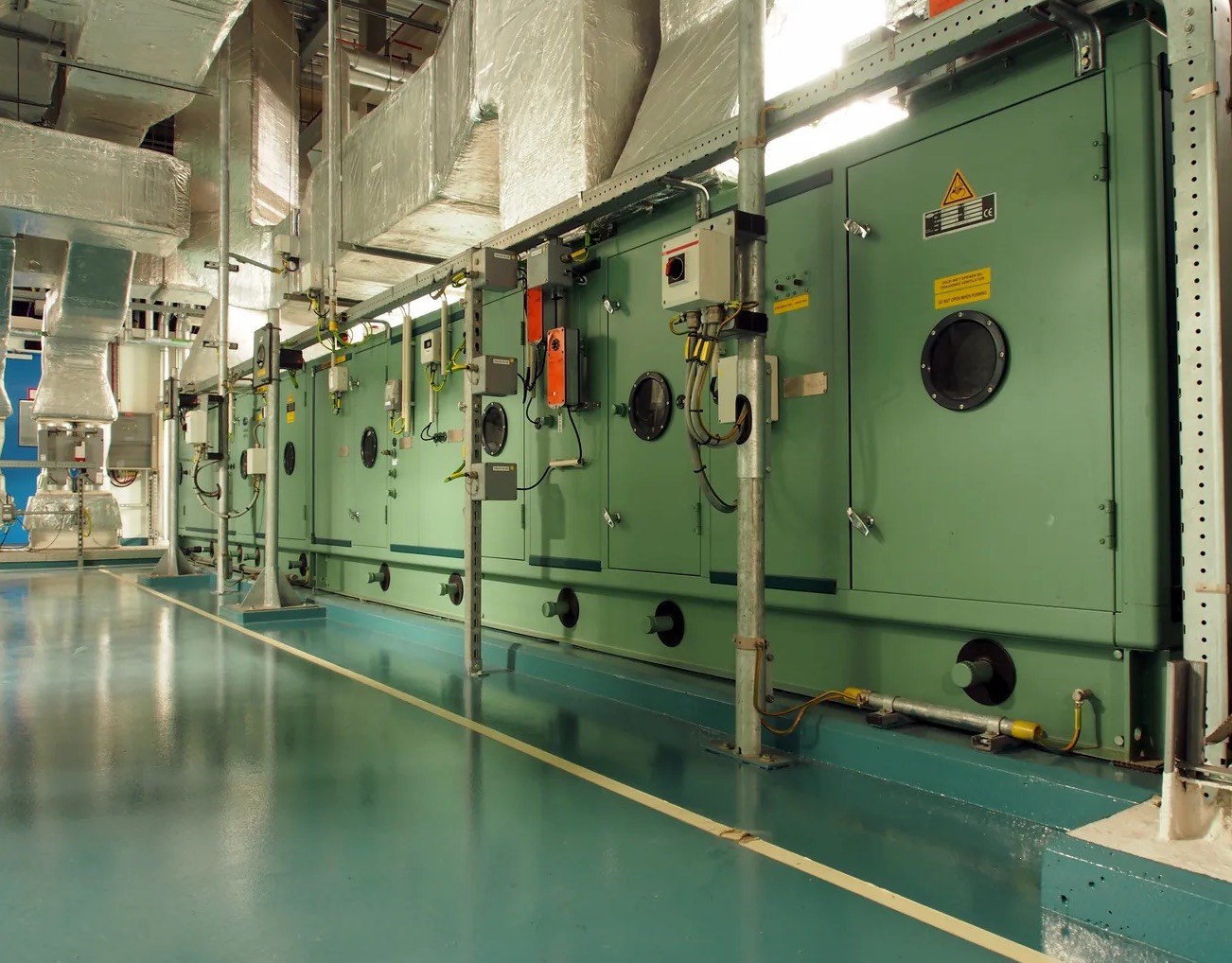
Infrared Leak Detection Services in Goodyear
Wall and ceiling moisture scans can reveal hidden leaks from pipes or roofs in properties throughout Goodyear. Identifying these issues early through thermal imaging inspection often prevents more extensive water damage later.
Thermal imaging leak detection is a valuable service for properties in Goodyear and nearby areas like Pebble Creek, Litchfield Park and Avondale. Using infrared technology, local moisture mapping experts can identify hidden moisture from roof leaks or plumbing issues without invasive probing.
Thermal Imaging Leak Detection Services in Goodyear
Slab Leak Thermal Detection
Moisture seeping through a concrete slab signals a potential leak. Thermal detection scans the floor with an infrared camera to find cooler areas where leaking water chills the concrete.
Wall Ceiling Moisture Scans
Discoloration on walls and ceilings often hides larger moisture problems. A professional moisture scan uses thermal imaging to see beyond the surface, identifying water intrusion boundaries within the wall cavity.
Post-Repair Leak Verification
A final infrared inspection closes the loop on a leak repair. It checks for residual moisture or new leaks, ensuring the area is truly dry.
Moisture Intrusion Pathway Analysis
Thermal images record how water moved, which can point to failed seals so repairs fix the cause.
Plumbing Leak Infrared Inspection
Slow leaks from aging pipes often go undetected. Thermal imaging pros scan plumbing routes, identifying temperature variations that indicate moisture.
Warning Signs You Need Thermal Imaging Leak Detection in Goodyear
Sounds of Running Water When Idle
Hearing water flow when all fixtures are off is a strong indicator for plumbing leak infrared inspection.
Visible Mold Patches on Walls
Mold on drywall or baseboards means moisture inside the wall. The source has to be found before it is fixed.
Warm Spots on Floors or Walls
Unexpectedly warm areas on surfaces may point to heated water leaks, visible with a thermal camera leak finder.
Damp or Stained Drywall Sections
Wet spots or discoloration on walls are classic signs of a hidden water leak behind the surface.
How Thermal Imaging Leak Detection Works in Goodyear
Step 1: Comprehensive Site Evaluation for Leak Clues
The service starts with evaluating the entire property for clues like staining, mold, or humidity that guide the thermal inspection.
Step 2: Detailed Wall and Ceiling Moisture Scans
Specialized wall and ceiling moisture scans are performed room by room to build a complete picture of hidden moisture damage.
Step 3: Slab Leak Thermal Detection Process
For suspected slab leaks, the slab leak thermal detection process maps temperature differences across the concrete to find the leak path.
Step 4: Final Report With IICRC-Standard Documentation
A final report is prepared using industry-standard methods, detailing the findings with thermal images to support your insurance claim process.
Frequent Sources of Leaks Found with Thermal Imaging in Goodyear
Clogged or Damaged Gutters and Downspouts
Blocked gutters cause water to overflow and pool against a home's exterior, promoting moisture intrusion pathway analysis.
Faulty Appliance Connections and Hoses
Washing machine hoses, water heater connections, or ice maker lines can degrade and leak behind appliances.
High Water Pressure Stressing Pipes
Excessively high water pressure strains pipe joints and fittings, making them prone to failure and leaks.
HVAC Condensate Drain Line Leaks
Clogged or cracked condensate lines from air conditioners can leak water inside walls or ceiling cavities.
Goodyear Thermal Imaging Leak Detection for Residential & Commercial Clients
Residential Thermal Imaging Leak Detection
The pros provide thermal imaging water leak services for homes in Goodyear, finding hidden moisture behind walls, under floors, and in ceilings.
Commercial Thermal Imaging Leak Detection
For businesses, pros map moisture to find leaks in complex plumbing, flat roofs and walls before they cause downtime or structural damage.
Comparing DIY Efforts to Thermal Imaging Leak Detection in Goodyear
You can check for slab leak clues like warm floor spots or cracking tiles. Note any areas of unexplained damp carpet. Do not attempt to break concrete. Slab leak thermal detection requires specialized thermal cameras only the pros in Goodyear operate.
Factors Influencing Leak Detection Cost in Goodyear
Post-repair leak verification pricing considers the number of previously identified leak sites that must be re-scanned with thermal imaging to confirm the repair's success.
Scan Documentation
Detailed reporting for insurance, including moisture mapping visuals and pathway analysis, adds to the project time for the pros.
Emergency Response
A 24/7 emergency leak location service call typically involves a different service structure than a scheduled thermal imaging inspection.
Access Challenges
Difficult roof access or confined spaces for plumbing leak infrared inspection can extend the duration of the on-site service.
Does Insurance Cover Thermal Imaging Leak Detection?
Your adjuster decides whether leak detection is covered. The pros provide a report of the thermal inspection for the insurer to review.
Reasons to Select Goodyear Water Damage Pros for Leak Detection
Moisture Pathway Analysis
Experts analyze how water travels within structures, identifying secondary damage areas that may not be visibly wet.
Objective Documentation
Thermal imaging provides visual and data-based evidence of moisture, useful for repair planning and insurance claim support.
Post-Repair Verification
A follow-up thermal scan confirms the success of repairs, giving you confidence the leak source has been resolved.
Urgent Thermal Imaging Leak Detection Available in Goodyear, AZ
If you suspect a hidden leak is causing damage right now, call (623) 288-0776 24/7 for a thermal imaging inspection of the area.
Call Now (623) 288-0776Thermal Imaging Leak Detection for Goodyear and Nearby Communities
Local pros perform non-invasive thermal leak detection for homes and buildings in Goodyear and nearby locations like Pebble Creek, Litchfield Park and Avondale.
- Thermal Imaging Leak Detection in Pebble Creek
- Thermal Imaging Leak Detection in Litchfield Park
- Thermal Imaging Leak Detection in Avondale
- Thermal Imaging Leak Detection in Tolleson
- Thermal Imaging Leak Detection in Waddell
- Thermal Imaging Leak Detection in Buckeye
- Thermal Imaging Leak Detection in El Mirage
- Thermal Imaging Leak Detection in Surprise
- Emergency Damage Restoration in 85338
- Storm Damage Restoration in 85338
- Water Damage Restoration in 85338
- Water Extraction Service in 85338
- Water Leak Detection in 85338
- Water Removal Service in 85338
- Emergency Damage Restoration in 85395
- Storm Damage Restoration in 85395
Frequently Asked Questions About Thermal Imaging Leak Detection
What is included in a thermal imaging water leak report?
The report typically includes thermal images, annotated moisture maps, a description of findings, and data supporting the location and extent of the water intrusion.
How does plumbing leak infrared inspection work?
The thermal camera scans walls and floors near plumbing lines, identifying cooler patterns that indicate water leakage from pipes within the structure.
Why choose non-invasive leak detection methods?
It prevents unnecessary demolition and repair costs by accurately targeting the leak area, saving time and preserving undamaged portions of your walls and floors.
How fast is emergency leak location service?
The pros offer 24/7 response for emergency thermal imaging to locate the source and help mitigate spreading water damage in your property.
What does moisture intrusion pathway analysis involve?
A moisture intrusion pathway analysis examines how water moves from a leak, which can help identify affected areas and potential secondary damage.