Glendale, AZ · Maricopa County
Whole-Building Fire & Smoke Odor Removal in Glendale, AZHVAC Duct Smoke Cleaning & Fire Damaged Material Removal
Whole-Building Fire & Smoke Odor Removal in Glendale pairs whole-house air scrubbing, HVAC duct smoke cleaning, and fire damaged material removal.
Answered 24/7
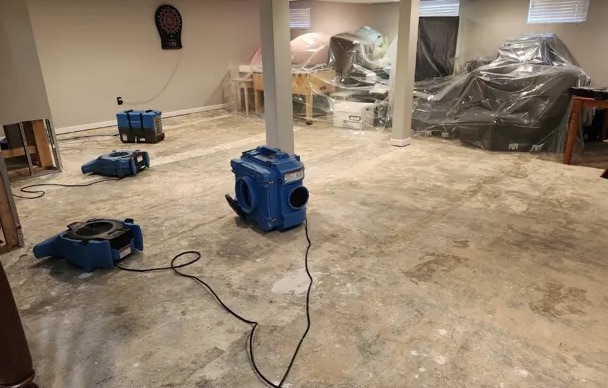
Complete Whole-Building Fire & Smoke Odor Removal for Glendale Homes & Businesses
In properties throughout Glendale, drywall, insulation, and upholstery absorb smoke deeply, so wiping surfaces rarely removes the smell. Treatment has to reach the air and the materials.
For homes in Glendale and nearby Maryvale, Peoria and Sun City, treating the air alone is not enough because odor binds to surfaces. Local pros clean, deodorize, and then seal porous materials.
Whole-Building Deodorization Process
HVAC Duct Smoke Cleaning
Supply and return ducts, registers, and the air handler are all cleaned to remove soot and tar that would otherwise circulate.
Fire Damaged Material Removal
Charred drywall, melted synthetics, and soaked insulation are removed first, since these materials hold the strongest odor.
Whole-House Air Scrubbing
Air scrubbers cycle all the air in the home through filters, removing particles so they do not settle again on cleaned surfaces.
Air Scrubbing for Whole Buildings
Industrial scrubbers with HEPA filters capture airborne soot and odor particles throughout a building in Glendale.
Electrostatic Soot Removal
Electrostatic cleaning lifts fine, dry soot without smearing it, which protects painted walls and woodwork.
Indicators That DIY Odor Removal Has Failed
Smell Emanates From HVAC Vents
A smoky smell coming from vents means the HVAC system is carrying odor from the ducts into every room.
Smoke Odor in Closed Cabinets
Items inside closed cabinets that smell of smoke show the odor has passed through gaps and seals throughout the house.
Odor Stronger on Humid Days
A smoke smell that gets stronger on damp days means odor is trapped in porous materials and released when moisture rises.
Persistent Smoky Odor in Rooms
A fire smell that stays in several rooms after cleaning means odor has soaked into the building, not just the surfaces.
How Whole-Building Fire & Smoke Odor Removal Works in Glendale
Step 1: Initial Deodorization With Fogging
Smoke odor elimination experts fog the building first, breaking down odor residue on surfaces throughout the structure.
Step 2: Content Decontamination and Cleaning
Salvageable belongings are cleaned, often off-site, with methods suited to each material so soot and odor come out.
Step 3: Whole-Building Air Exchange
Negative air machines and scrubbers exchange the indoor air, pulling out smoky air and replacing it with filtered air.
Step 4: Sealing for Residual Odor Control
Porous framing and subfloors are sealed so any last traces of odor stay locked in place.
Common Causes of Persistent Fire Odor
Inadequate Ventilation During Fire
With windows and doors closed during a fire, smoke stays concentrated indoors and soaks deeper into materials.
Smoke Penetration Into Porous Materials
Smoke odor soaks deep into drywall, wood, and insulation, which then release the smell for months if left untreated.
Secondary Water Damage
Water used to fight the fire can spread soot into new areas and carry odor into floors and wall cavities.
Thermal Movement of Odor Particles
Heat from a fire pushes smoke and odor into small cracks and gaps throughout the structure.
Comprehensive Odor Solutions for Any Building
Residential Whole-Building Fire & Smoke Odor Removal
In homes, every living space usually needs treatment. Local pros run air scrubbers and clean contents so bedrooms, closets, and belongings stop smelling of smoke.
Commercial Whole-Building Fire & Smoke Odor Removal
Businesses need odor gone before reopening. Fire restoration professionals clean the ducts and fog lobbies, offices, and stock rooms so customers and staff are not met by smoke smell.
Why Whole-Building Fire & Smoke Odor Removal Requires Local Experts
Open windows and run fans to clear the first wave of smoke, and wipe hard surfaces like counters and glass with a degreasing cleaner. Odor in walls or fabrics needs professional deodorizing.
What Influences Fire Odor Removal Pricing
Price grows with the square footage treated and how severe the fire was. A small kitchen fire costs far less than smoke through a whole building.
HVAC System Contamination
Cleaning ducts and HVAC parts adds equipment time and access work to the job.
Deodorization Method Required
Thermal fogging and ozone treatment use different equipment, and some jobs need both methods.
Content Cleaning Scope
The number and type of belongings to clean, and whether they go off-site, affect time and cost.
Does Insurance Cover Whole-Building Fire & Smoke Odor Removal?
Coverage depends on your policy and the cause of the fire. The experts document the damage with photos and notes; confirm coverage directly with your insurance provider.
Why Choose Local Experts for Whole-Building Fire & Smoke Odor Removal
HVAC System Decontamination
Ducts are cleaned so the HVAC system does not keep pushing smoke odor through the building after cleanup.
Residual Odor Prevention
Sealing porous surfaces locks in trace odor that cleaning misses, so it does not return after repairs.
Comprehensive Odor Attack Plan
Air scrubbing, fogging, and sealing together treat both airborne odor and odor held inside materials.
24/7 Emergency Whole-Building Fire & Smoke Odor Removal Response
Smoke odor spreads into belongings and building materials fast after a fire. Call (623) 288-0776 at any hour for emergency smoke damage cleanup help.
Call Now (623) 288-0776Areas Served for Whole-Building Fire & Smoke Odor Removal
Local smoke odor removal serves Glendale and the wider area, including places like Maryvale, Peoria and Sun City.
Frequently Asked Questions About Whole-Building Fire & Smoke Odor Removal
How effective is electrostatic soot removal?
Charged cleaning solutions attract fine soot and lift it off surfaces, which prepares them for deodorizing and paint.
What's the difference between cleaning and deodorizing?
Cleaning removes visible soot residue, while deodorizing breaks down the odor molecules left behind. Most fire jobs need both steps.
Is whole-house air scrubbing run continuously?
Yes. Industrial HEPA scrubbers run for long periods through the cleanup, filtering fine soot and odor particles from the air.
When is surface sealing for residual odor used?
Sealers go on porous surfaces like concrete or framing as a final step, holding in any remaining odor molecules before rebuilding.
What materials typically require fire damaged material removal?
Charred wood, melted plastics, contaminated insulation, and anything that cannot be cleaned or is unsafe are removed and disposed of.